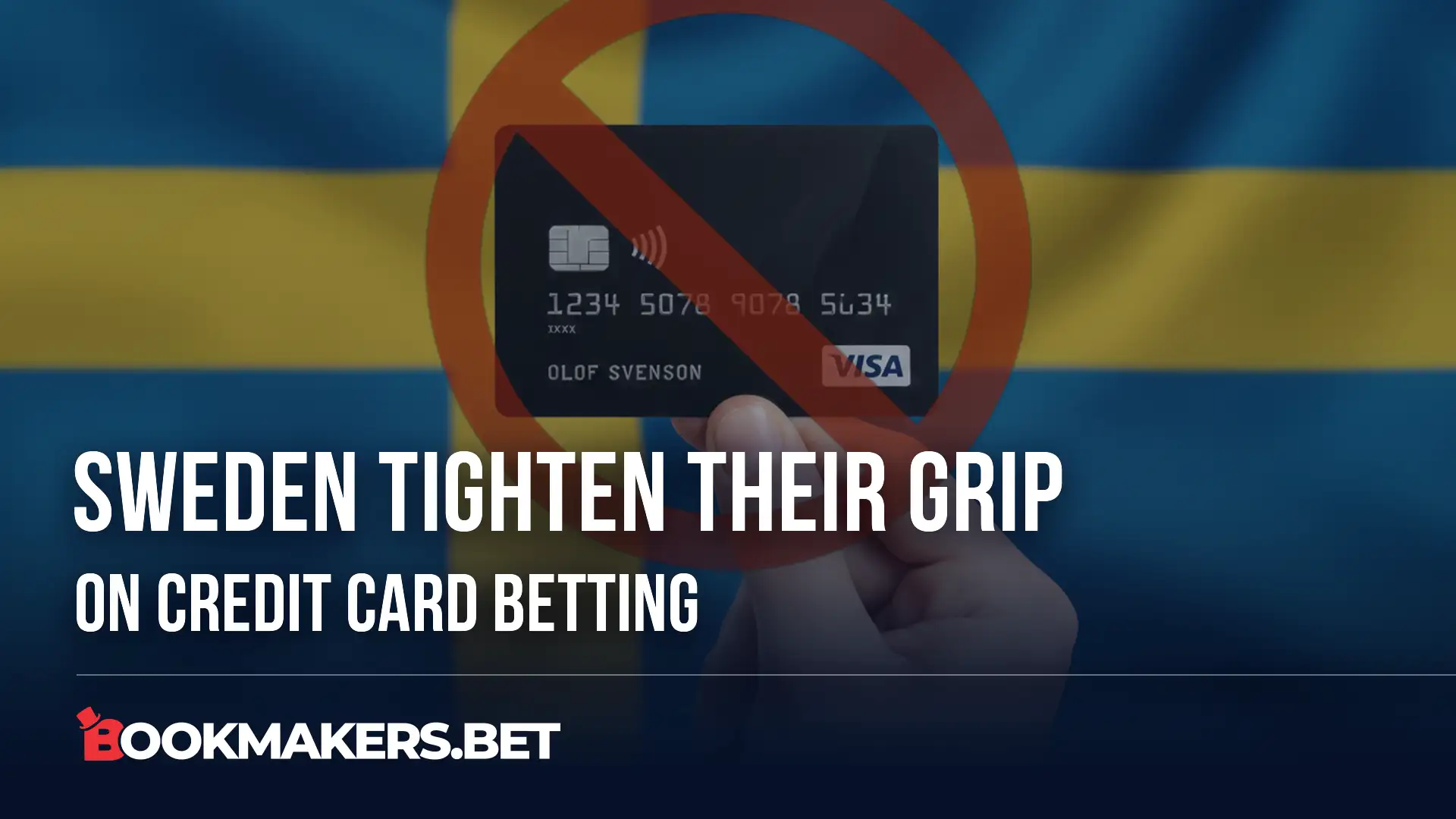
A decisive effort to separate borrowed money from gambling is underway in Sweden. The government is moving decisively to enforce a strict ban on credit card-funded betting, effective 1st of April 2026, in one of the most aggressive regulatory moves in Europe's iGaming sector.
Starting in April 2026, Spelinspektionen will gain expanded powers to punish non-compliance. Operators found accepting credit-funded bets face heavy financial penalties, temporary suspension of operations, and even total license revocation for systematic failures.
The move is not new; the credit card ban has been part of the regulation since 2024, but it was loosely enforced. The Swedish government is putting a full-scale effort to address a national debt crisis, with consumer debt reaching a record SEK 138 billion (€13 billion) in early 2025, and the gambling sector isn’t excluded.
How Can The Credit Card Ban Be Effective?
For years, the Swedish Gambling Authority (Spelinspektionen) argued that existing regulations were insufficient. Under the 2018 Gambling Act, operators were only banned from issuing credit themselves.
However, this limited scope essentially allowed the 2019 reform to be circumvented, as players weren’t betting with operators' credit. They were using credit from third-party credit platforms, such as standard Mastercard or Visa cards, and depositing funds wasn’t ruled out.
By simply using an external lender or a credit card, vulnerable players could continue to gamble with money they did not have. This new move shifts the burden of proof to the operators, who must now implement technical safeguards to distinguish between debit and credit transactions in real-time.
What Went Wrong So Far?
This is not Sweden's first attempt to close these gaps. Previous efforts to pass a law banning credit card betting were rejected. In February 2024 a legislative push was stalled due to a lack of legal clarity, because the regulators and industry members argued that the term “credit” wasn’t precise.
This was making it technically impossible for payment processors and casinos to legally block specific transaction types without a clearer scope. A year later, data from the Swedish Enforcement Authority (Kronofogden) revealed that the consumer debt had hit a record SEK 138 billion.
The then-deteriorating financial climate in the country coincided with data from a Public Health Agency survey, showing that 40% of problem gambling cases are linked to high-intensity casino games. This provided a political momentum to move forward with the current bill, which, in October 2025, was successfully implemented as part of the new reform.