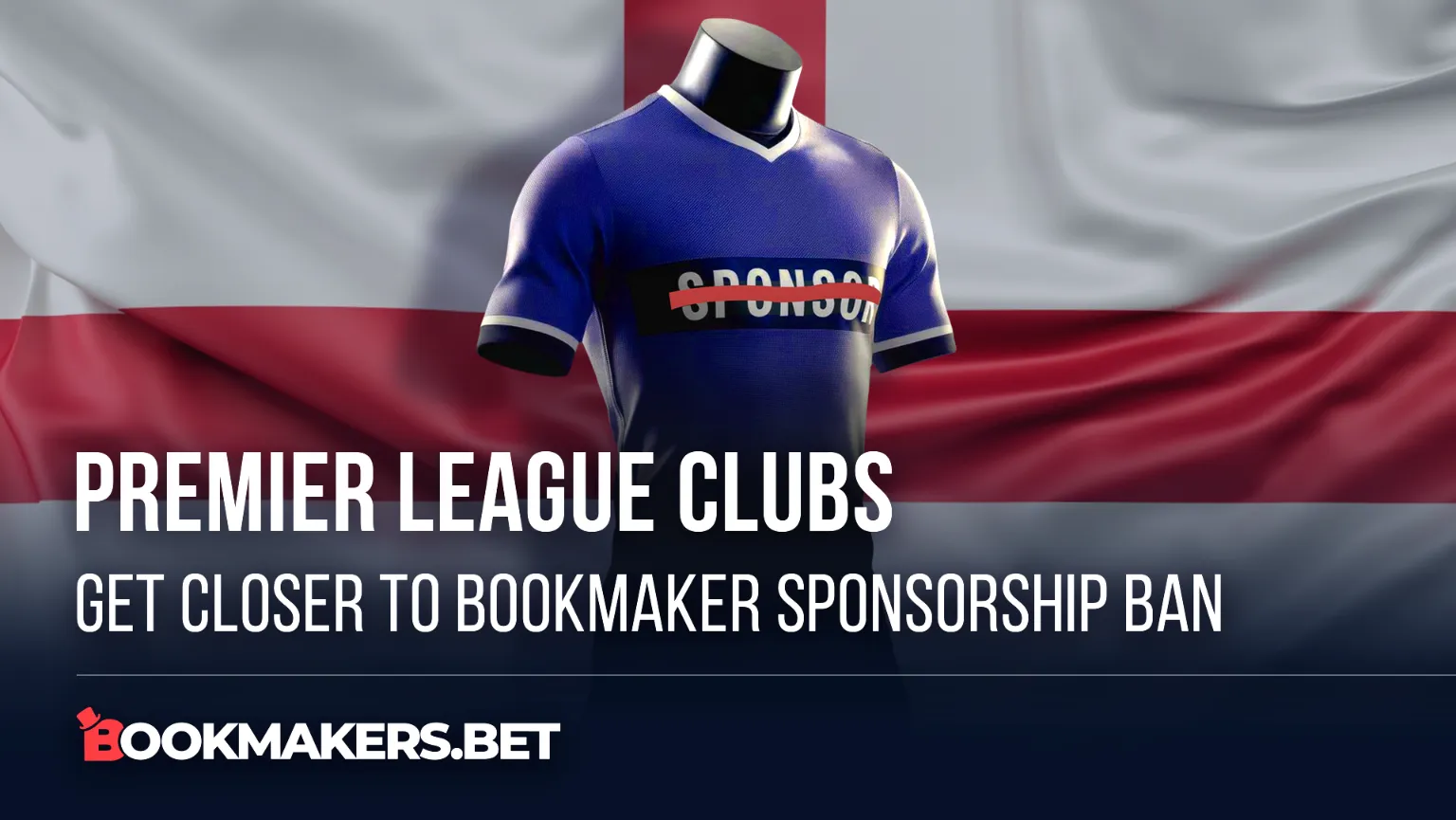
The most-watched football league in the world is associated with huge marketing deals, which in the last few years include a lot of betting company logos on the shirts of most top-tier clubs. This relationship was in danger when the UK Gambling Commission (UKGC) decided to ban partnerships, a measure which will come into effect next summer.
How Big Can The Revenue Gap Be?
For years, the betting sites were among the league’s biggest financial backers, offering huge amounts of money for their visibility on the club shirts. Industry figures suggest that such deals have been worth almost 40% more than comparable sponsorships from other sectors, and a loss of such sponsorship next season will put at risk the financial security of several clubs.
The upcoming advertising ban on football shirts aims to reduce gambling visibility to UK audiences and has left the clubs looking for alternative ways to preserve this valuable revenue, without breaking the rules, technically at least. For example, such a type of advertising is still allowed on shirt sleeves or on the back of the shirt, on LED perimeter boards and in overseas broadcasts, all of which reach millions of international viewers.
What Are The Alternatives For The Clubs?
Bournemouth, Fulham, Wolves, Newcastle and Burnley have deals with Asia-facing brands, which operate outside the UK’s licensing system, but are targeting bettors in markets such as China, Thailand and Malaysia. These betting sites block UK punters and don’t accept GBP bets, which the clubs argue is an arrangement compliant with British law.
Aston Villa, Chelsea, Nottingham Forest, Leeds United and Sunderland have the same sponsorship partner. Villa announced the agreement with an “Official Asian Betting Partner” without mentioning them on their webpage, nor is their name visible anywhere on it. The other four clubs aim to follow suit with geolocation practices, ensuring that visitors from the UK cannot view partnerships with betting companies, while the rest of the world will have access.
How Does The Regulator React?
Although UGC has cracked down on these intermediaries, there’s no legal framework to stop such practices. The Gambling Commission requires clubs to verify that their partners do not accept UK bets, and the EPL clubs walk a fine line between compliance and controversy. The logos will probably soon disappear from shirts, but the influence and the funds from the betting sites in football are far from fading.