The betting industry in the Netherlands is entering a new era, with a significant regulatory pivot under review by the newly formed government. A minority coalition of the D66, Christian Democrats (CDA), and VVD parties agreed on an outline plan that will take a tougher approach to the iGaming industry.
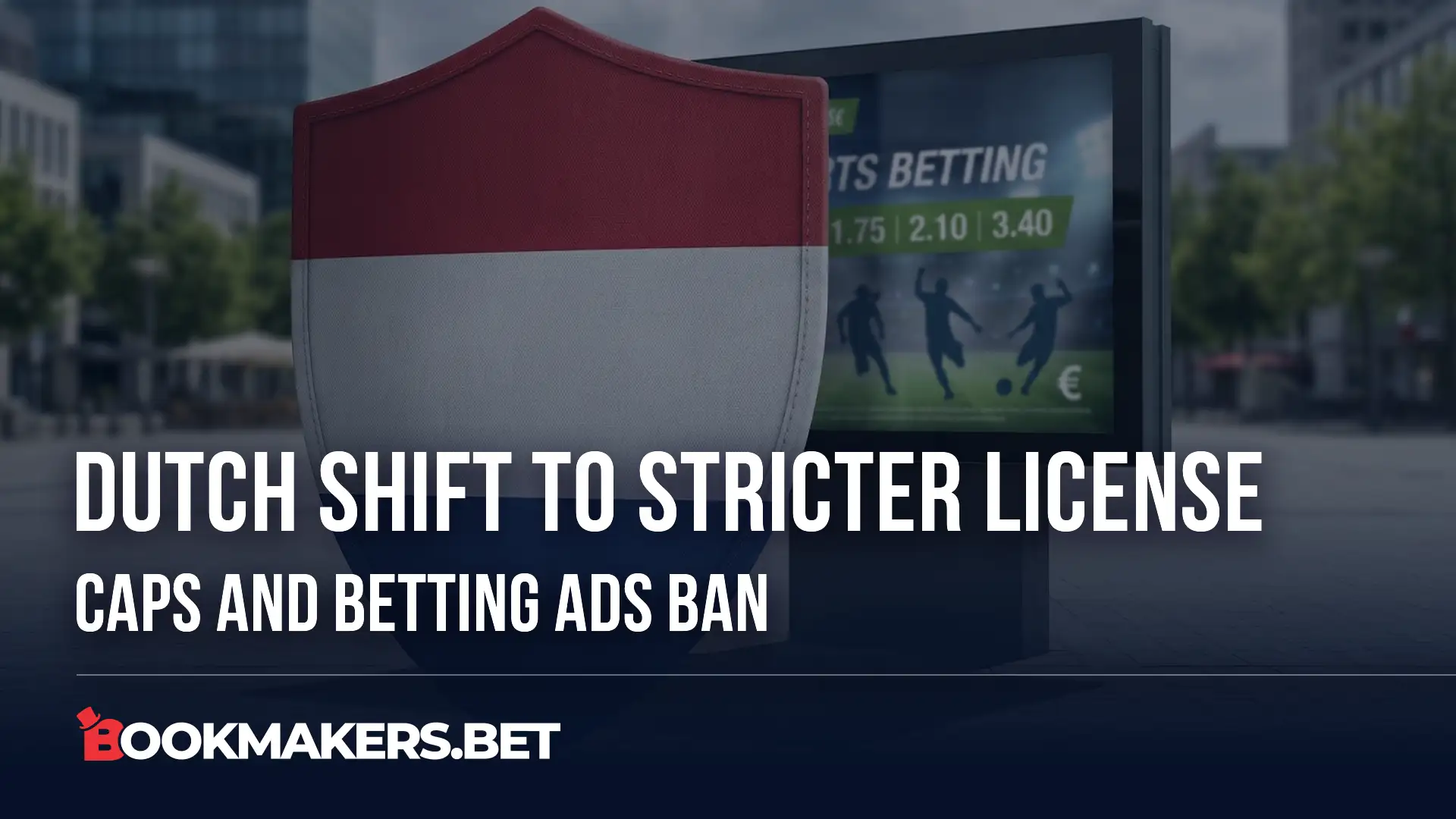
The coalition government released a 67-page document proposing a total ban on betting ads and the potential introduction of limits on the number of online licenses available. This proposal arrives just before the five-year renewal cycle for existing operators. The political agreement takes an opposite position to the open-market request that the online operators hoped for.
The government believes the sector requires greater oversight, similar to sensitive industries in the Netherlands that are subject to strict controls.
How Open Access Turns Into Controlled Entry?
The most important element for bookmakers is the proposed cap on licenses. Since the market opened, the Netherlands has operated under a model in which any sportsbook that meets strict criteria can secure a license.
A transition to a capped system would reduce bettors' options and the diversity of betting products, leading to less competitive pricing as the market shifts toward a few dominant brands.
Will Local Sportsbooks Become “Invisible”?
A move toward a total advertising ban will also affect many local consumers and businesses. Several prohibitions on TV, radio, and billboard advertising are currently in effect in the Netherlands, but a total ban would remove the primary channel for regulated brands to communicate with the public and showcase their products.
This is expected to push them to impose further restrictions on betting odds, competitiveness, and promotions. At the same time, industry experts suggest that, with local brands being “invisible,” bettors will seek offshore options that offer more aggressive bonuses and a wider variety of markets, without local deposit limits.
What Can The Impact Be For Bettors And Operators?
For Dutch players, offshore platforms are an increasingly accessible alternative. Already, a significant portion of the total betting volume is leaving the country, according to the regulator (KSA). If the domestic market is further constricted, the offshore market will possibly grow, as it is not subject to the 37.8% Dutch gambling tax.
The government proposal comes at a time when licensees are preparing for this year's re-application process, but cannot plan amid surrounding uncertainty. Bettors, on the other hand, see 2026 as a year defined by choices: either staying within a highly controlled, localized betting industry or exploring the broader flexibility of the offshore market.